On this page
College is a challenging time for sleep. Pulling all nighters, falling asleep in class, attending social functions, or simply staying up late texting or studying can all interfere with sleep on a regular basis. But while a late night here and there is easy to bounce back from, college students should be careful to regularly follow healthy sleep habits.
College students are often short on sleep, but the fact is that students often need sleep more than most. The typical college student needs more than eight hours of sleep, yet often ends up with seven hours or less — sometimes much less. This can have a serious impact on health and learning.
Sleep is especially important to college students, as memory, learning, mood, and mental health all depend on healthy sleep habits. Without enough sleep, academic performance can suffer, mood and mental health may deteriorate, even sleep disorders can develop and further interfere with getting enough rest.
This guide provides college students helpful information for making good sleep decisions. You’ll learn why sleep is so important for college students, what’s at stake in a good night’s sleep, how to spot sleep disorders, what it takes to develop a good sleep routine, and much more.
Consider these facts about college students and sleep:
Why is Sleep So Important for College Students?
Many college students are chronically short on sleep. On average, college students require eight hours of sleep or more, yet most college students only sleep between six to seven hours each night. This creates a sleep debt that can have a negative impact on learning and health.
In addition to rest, sleep supports healthy brain function and memory consolidation. Without it, college students are at risk of difficulty concentrating and remembering. Students may even increase their risk of depression or anxiety by not sleeping enough.
Sleep is crucial to memory and learning. The hours immediately following a lesson are the most critical period of sleep for memory consolidation. Getting a good night’s sleep after a lesson or review session is more efficient for memory and recall than an all night cram session.
Consequences of Sleep Loss
What’s at stake for students with inadequate sleep? These are common consequences of sleep loss for college students:
- Memory problems
- Moodiness
- Impaired brain activity
- Depression and/or anxiety
- Increased risk of accidents
- Weakened immune response
- Lower GPA
Connections between Sleep and Mental Illness
Without adequate sleep, coping skills, mood, memory, and emotional processing are all impaired. This can lead to serious mental illness among college students, including depression, addiction, even suicide.
ANXIETY
A lack of sleep can play a role in developing anxiety. Sleep deprivation has been found to amplify anticipatory anxiety in the brain regions that control excessive worrying. Innate worriers are particularly vulnerable to developing more serious anxiety with insufficient sleep. Anxiety can also interfere with getting a good night’s sleep.
DEPRESSION
Without enough sleep, we’re often irritable or stressed, but adequate sleep enhances a feeling of well being. There is a close connection between sleep and depression, with 15 to 20 percent of people diagnosed with insomnia developing major depression. One major study indicates that people with insomnia are five times more likely to develop depression.
SUICIDE
For some students, sleep deprivation becomes even more serious than anxiety and depression, as a lack of sleep can lead to an increase in suicidal thoughts. For each hour of sleep lost, teens report a 42 percent increase in suicidal thoughts. More troubling: that same lost hour of sleep becomes a 58 percent increase in suicide attempts.
ADDICCTION
A night without adequate sleep often puts you in a bad mood, but it can sometimes have a euphoric effect that leads to risky behavior. A sleep deprived brain experiences significant mood swings, which is bad news for good decisions. After a night of missed sleep, healthy young adults may get a boost in euphoria that can potentially lead to poor judgement and addictive behavior.
ADHD
Sleep problems are common among students with ADHD, with as many as 50 percent suffering from sleep problems as well as ADHD. In some cases, sleep problems mimic ADHD symptoms, while in others, a lack of sleep can exacerbate ADHD. ADHD medications may result in sleep problems as well. However, treating sleep issues can often alleviate ADHD symptoms.
Sleep Disorders: Warning Signs and Descriptions
It’s not unusual to have trouble sleeping now and then, especially when you’re feeling stressed, anxious, or are simply preoccupied with activities like studying, social engagements, or athletics. But continued sleep problems can indicate a serious sleep disorder that can make it difficult to get adequate restful sleep.
Could you have a sleep disorder? Watch for these warning signs:
- Fatigue or tiredness even after eight hours of sleep
- Frequent or long naps
- Trouble concentrating at school
- Waking up in the middle of the night and remaining awake
- Excessive daytime sleepiness
- Difficulty falling asleep
- Falling asleep during everyday activities like watching TV or reading
- Consistent snoring
- A tingling, crawling, or irresistible urge to move your legs at bedtime
- Morning headaches and dry mouth
INSOMNIA
Insomnia is a difficulty falling asleep or staying asleep. This typically causes impairment during waking hours. People with insomnia may have trouble falling asleep, wake up during the night, have trouble going back to sleep, wake up too early, or feel tired when they wake up.
NARCOLEPSY
People with narcolepsy have excessive daytime sleepiness with sudden muscle weakness. With narcolepsy, sufferers may experience episodes of uncontrollably falling asleep during the daytime.
RESTLESS LEG SYNDROME
Restless leg syndrome makes sleeping uncomfortable with itching, tingling, or a creepy crawling feeling along with an urge to move the legs. This often interferes with sleep, as symptoms are typically worse in the evening and throughout the night.
SLEEP APNEA
Sleep apnea occurs when breathing is interrupted by sleep. People that suffer from untreated sleep apnea will stop breathing multiple times during a sleep cycle. This is a dangerous condition, as breathing interruptions can deprive the brain and body of the oxygen it needs.
Learn more about sleep disorders with these resources. (sleep disorder links at the bottom of the site)
FAQs from College Students Regarding Sleep
Q: How many hours should college students sleep each night?
A: The average college student requires eight hours of sleep or more.
Q: What’s the best time for college students to sleep?
A: Ideal bedtimes for healthy adults range from 8 p.m. to 12 a.m. Most college students are comfortable going to bed around midnight.
Q: Is it better to stay up all night and study for an exam or get a good night’s sleep?
A: Memory and recall functions perform much better after adequate sleep. If you don’t get enough sleep, you may have trouble remembering what you studied the night before, not to mention the lessons covered weeks ago in class.
Q: Is it OK to fall asleep in class? What do professors think of students who sleep in class?
A: Falling asleep in class happens, whether you’re sleep deprived or simply bored. But it’s best to avoid it, as you can get in trouble with professors and miss important information. Professors may understand that college students often suffer from a lack of sleep, but most are irritated or annoyed even if they don’t show it outwardly. Falling asleep in class on a regular basis may be a sign that you’re not getting enough sleep, or even that you’re suffering from a sleep disorder.
Q: Can you catch up on sleep?
A: Short term sleep debt can be caught up on. That means if you have a bad night’s sleep, going to bed early the next day will help you make up for it. But long term sleep loss is gone forever. If you’re hoping to catch up on a week of sleep deprivation over the weekend, you’re out of luck.
Q: How can you make it through the day on little to no sleep?
A: Don’t hit the snooze button: it will not help. It may even make you feel groggier. Moderate caffeine, protein, breaks, and even a nap can help you make it through. Then, go to bed early if possible to make up for the sleep loss right away.
Starting a Healthy Sleep Routine
Creating a sleep routine can eliminate many sleep problems. With a comfortable environment and healthy sleep habits, you can lay the groundwork for a good night’s sleep. Can’t do it all? Even a few small changes can help you see improvement in your sleep. Use these tips to set up a healthy sleep routine:
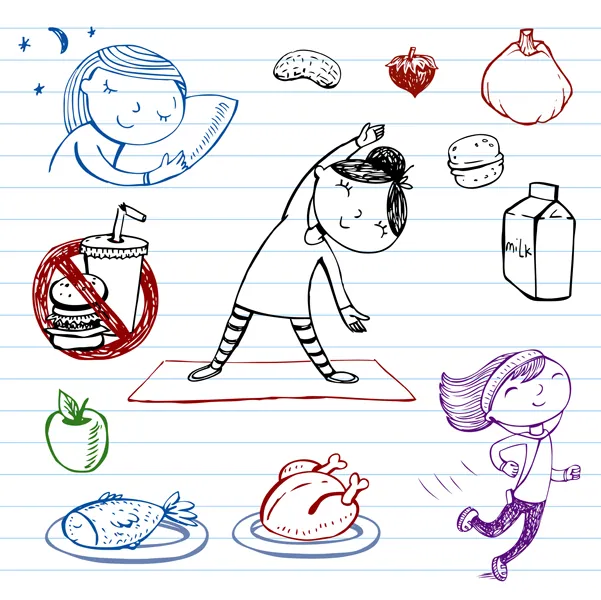
- Create a sleep diary: Using a sleep diary, you can track your sleep, identifying habits and trends that may help or hinder your sleep.
- Eat a healthy diet: Sugary snacks may perk you up for a while, but they’ll sabotage your sleep. Eating balanced, nutritious meals and snacks throughout the day can contribute to better sleep. Avoid going to bed with an empty or overly full stomach, and be careful about spicy or acidic foods before bed if you suffer from acid reflux.
- Exercise regularly: Getting enough physical activity can help you sleep better. Time your workout at least three hours before bedtime to allow your body temperature to cool off and your energy to return to normal.
- Avoid alcohol before bed: While alcohol may help you fall asleep faster, it can reduce the quality of sleep. One to two drinks will have a minimal effect, but more than that can rob you of deep restorative sleep — even when you’ve spent plenty of time in bed.
- Be careful with nicotine and caffeine: Caffeine offers a quick way to stay alert, and it’s found in just about everything from coffee to soft drinks, even chocolate. But too much caffeine can cause insomnia. Keep your consumption to about three cups of coffee a day and stop drinking coffee at least a few hours before bed. Nicotine has similar effects, causing insomnia and sabotaging deep sleep. Cut back on your nicotine consumption before bed for better sleep.
- Nap strategically: Napping can improve your mood and alertness, especially if you’ve had trouble sleeping the night before. But nap too long or too close to bedtime, and you could find yourself wide awake when you should be sleeping. Stick to short naps about 30 minutes long, avoiding naps late in the day.
- Minimize sleep disruptions: Waking up to go to the bathroom, stress, even your bedroom environment can keep you awake at night. Limit how much you drink in the evening and wind down before bedtime. Make your bedroom comfortable for sleep, making it slightly cool while reducing light and noise.
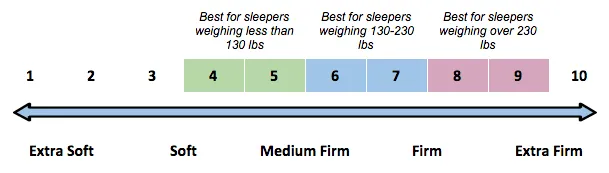
- Choose the right mattress: If you’re waking up with back pain or don’t feel like you’ve gotten enough sleep, you may need a different mattress. Replace your box spring and mattress every eight years for comfort and hygiene. When shopping for a new mattress, consider whether you prefer a firm or soft mattress and look for a mattress that fits your body.
- Shut down electronics before bed: Staying connected at night can interfere with good sleep. Sending emails or checking texts at night can make you tense. The glow of electronic screens can reduce your sleep quality as well. Keep your phone and other devices out of bed, and unwind for about 30 minutes without technology before you go to sleep.
- Use your bed only for sleep and sex: Teach your brain that you bed is for rest and sex only. Avoid texting, watching TV, or working.
- Stick to a dedicated sleep schedule: If you stick to the same general schedule of waking and going to bed every morning and night, your body will find it easier to fall into the usual routine. One or two days off of your schedule won’t wreck your sleep patterns, but it’s best to stay with it as much as possible.
Online Sleep Resources
Want to learn more about sleep for college students? These online resources can help.
- National Sleep Foundation: Sleep Disorders: Find an extensive guide to the many sleep disorders people may suffer from, including abnormal sleep, excessive daytime sleepiness, insomnia, circadian rhythm disorders, and even connections between sleep and disease.
- MedlinePlus: Sleep Disorders: The National Institutes of Health explains the most common sleep disorders in these resources.
- Centers for Disease Control: Key Sleep Disorders: The CDC offers an overview of major sleep disorders including how they are recognized and treated.
- The National Center on Sleep Disorders Research: This center is an excellent resource for learning about the latest in sleep disorder research.
Sleep Facts and Studies
- Nat Sci Sleep: Causes and Consequences of Sleepiness Among College Students: Learn why college students often feel sleepy and how this can have an effect on learning and health.
- National Institute of Neurological Disorders and Stroke: Brain Basics: Understanding Sleep: Find out how much sleep you need, what sleep does for us, and what happens as we dream or fall into REM sleep.
- American Physiological Society: About Sleep’s Role in Memory: This study examines the role of sleep in memory consolidation.
- National Sleep Foundation: International Bedroom Poll: This poll examines how people around the world create a comfortable bedroom environment and relaxing bedtime routine.
- J Clin Sleep Med: An Email-Delivered CBT for Sleep Health Program for College Students: Effects on Sleep Quality and Depression Symptoms: This study examines how a cognitive behavioral self-help program delivered via email helps college students improve sleep, sleep quality, and symptoms of depression.
Stress Relief Resources
- Mayo Clinic: Need Stress Relief? Try the 4 As: The Mayo Clinic suggests four stress coping strategies: avoid, alter, accept, and adapt.
- The University of Chicago: Stress Relief: The University of Chicago shares individual exercises such as meditation and art for stress relief.
- SmokeFree.gov: Conquer Stress: If you use smoking to cope with stress, this resource explains how you can deal with stress without turning to cigarettes.
- Centers for Disease Control: Coping with Stress: Find healthy ways to cope with stress, including taking care of yourself, talking to others, taking a break, and avoiding drugs and alcohol.
- American Heart Association: Take Action to Control Stress: The American Heart Association outlines an action plan for reducing daily stress.
- MentalHealth.gov: Learn how to cope with trauma, prevent suicide, know what to look for, and see how to get help with mental health.
- National Institute of Mental Health: The National Institute of Mental Health has extensive resources for learning about mental health, disorders, and more.
- MedlinePlus: Mental Health: Get an overview of mental health, disorders, and National Institutes for Health mental health resources here.
- Centers for Disease Control: Mental Health Overview: The CDC’s mental health website shares basic public health information on mental health, including mental health definitions, data, and statistics.
- Substance Abuse and Mental Health Services Administration: If substance abuse is interfering with your mental health, you can learn more about it with the Substance Abuse and Mental Health Services Administration, including how to get treatment.
Where to go for Help
- Harvard Medical School Division of Sleep Medicine: When to Seek Treatment: Take a sleep disorder screening survey and learn how to discuss sleep with your doctor.
- National Sleep Foundation: Find a Sleep Professional: Search for qualified sleep professionals in the National Sleep Foundation’s database.
- Healthgrades: Find a Sleep Medicine Specialist: On Healthgrades, you can find Sleep Medicine Specialists including ratings and contact information.
- WebMD: Where to Find a Sleep Specialist: WebMD offers a number of resources for finding physicians and sleep centers that can help diagnose and treat sleep disorders.
Unbiased Mattress/Sleep Product Reviews
- Sleep Like the Dead: Sleep Like the Dead reviews mattresses based on thousands of owner experiences. You can also learn about pillows, bedding, sound machines, and sleep hygiene products with this resource.
- ConsumerReports: Mattresses: ConsumerReports highlights recommended mattresses, ratings, and more, all vetted by the National Teting and Research Center.
- The Best Foam Mattress You Can Buy Online: Ordering your mattress online? This resource offers reviews of the top 15 online mattress companies.
- WebMD: The Best Mattress for a Better Night’s Sleep: WebMD’s guide shares an in depth look at the best way to shop for a new mattress and find the one that’s the best for your needs.